By Ariel Landrum
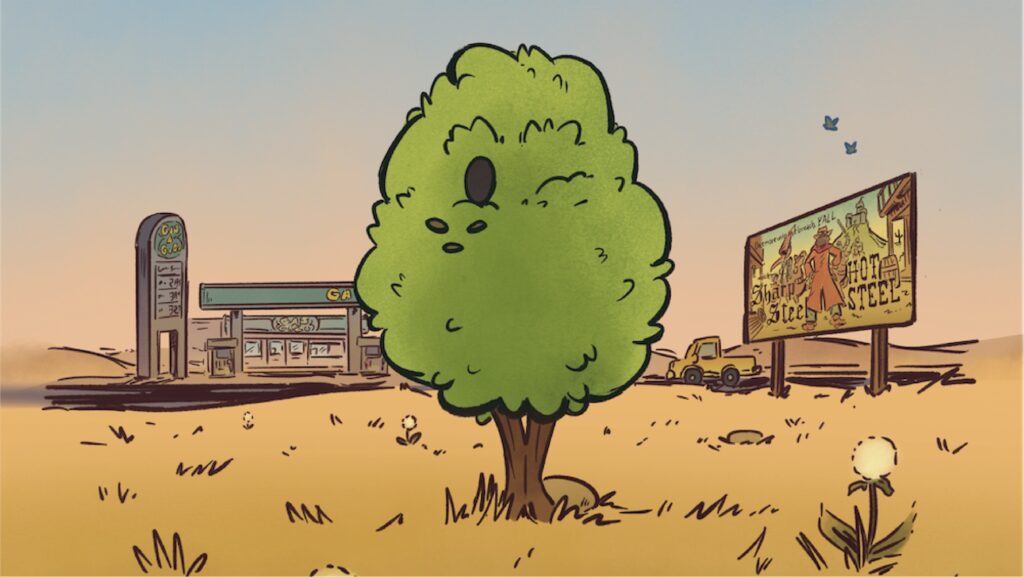
A sentient shrub, a grieving brother and sister, and a cross-country road trip form the heart of SHRUB, the middle grade Graphic Medicine comic from Fanbase Press. Creator and writer Shane Portman and illustrator Andy Alves discuss the story’s roots, its expressive artwork, and the ways comics can make room for difficult feelings.
Portman (he/him) and Alves (they/them) shared the following responses with Geek Therapy. Ariel Landrum also contributed an essay to the series’ “Letting Grief Take Root” collection.
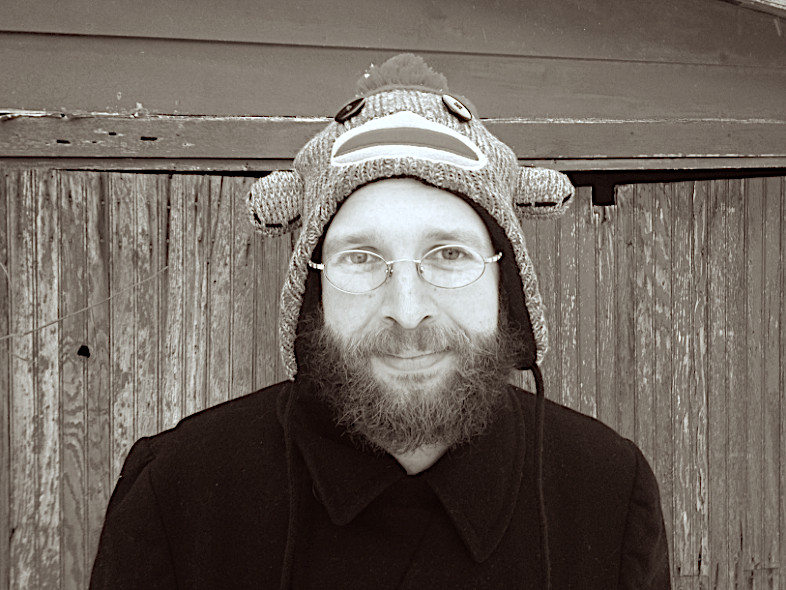
Shane, you've talked about drawing on your own experience of grief for this story. Was there a specific moment or memory that became the seed for Shrub as a character?
Shane Portman: Funny enough, Shrub as a character came about on their own, independent of this or any story. I just thought it would be fun to have a sentient shrub character. I didn’t know what to do with them. So, I just filed them away in my brain and eventually this particular story started to grow from the fertile territory that was my experience of dealing with loss as a kid. And as the story started to develop, the idea of Shrub communicating through their roots and tapping into the mycelial network underground for understanding really struck a chord. Untangling my grief was not easy. And that underground mesh of roots and fungi and the communication between them became a potent metaphor for the struggle to understand the hardest things to comprehend.
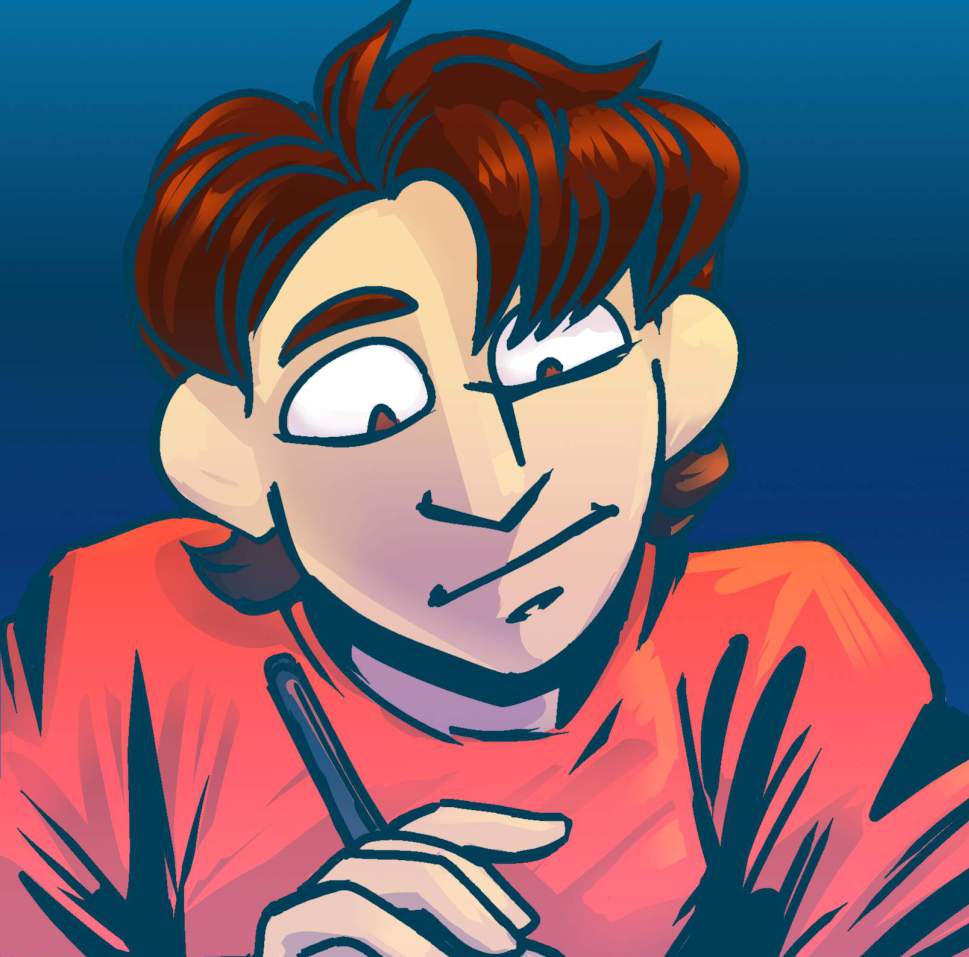
Andy, Shrub is such an expressive and alive character. How did you come up with the design, which is a cute mascot that is approachable for such a heavy topic, such as grief?
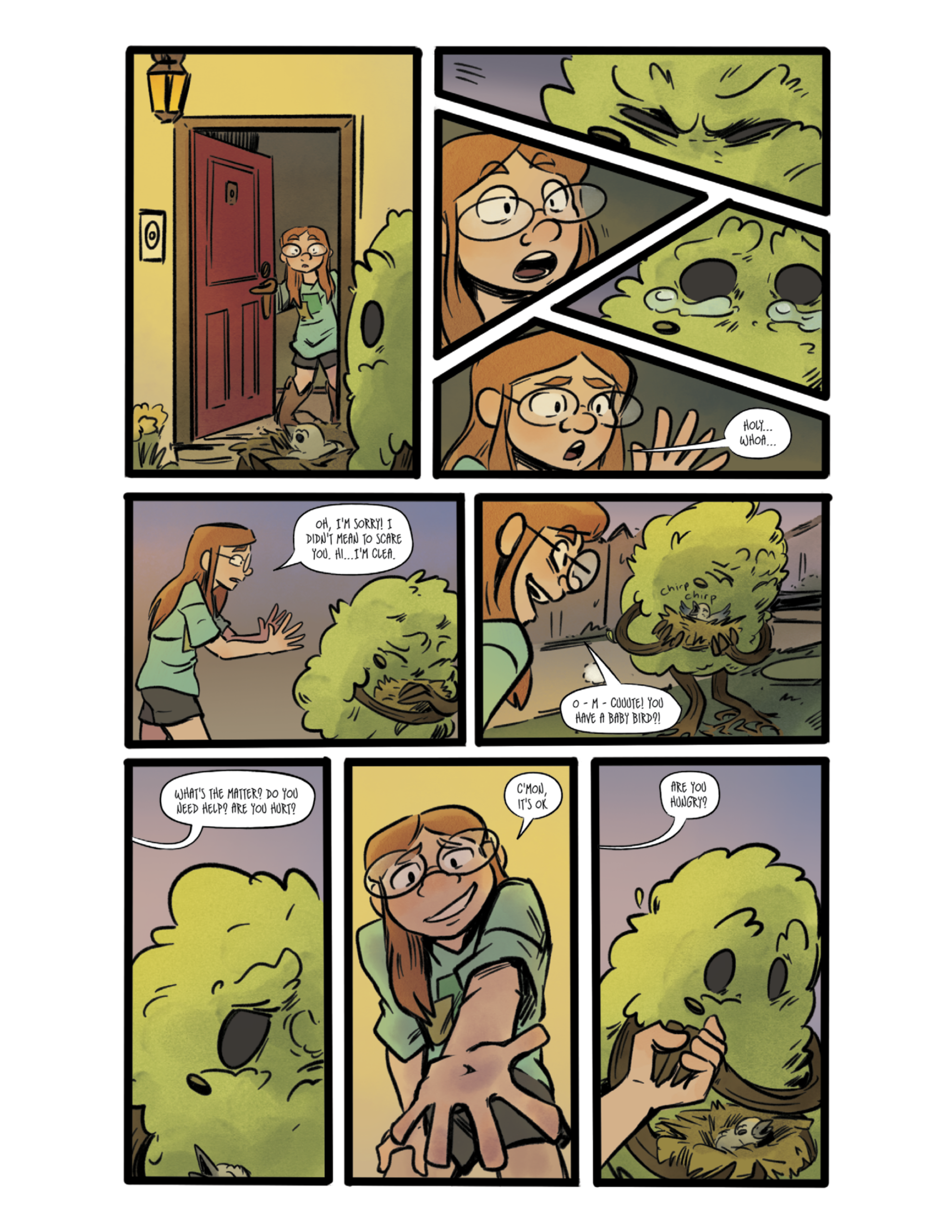
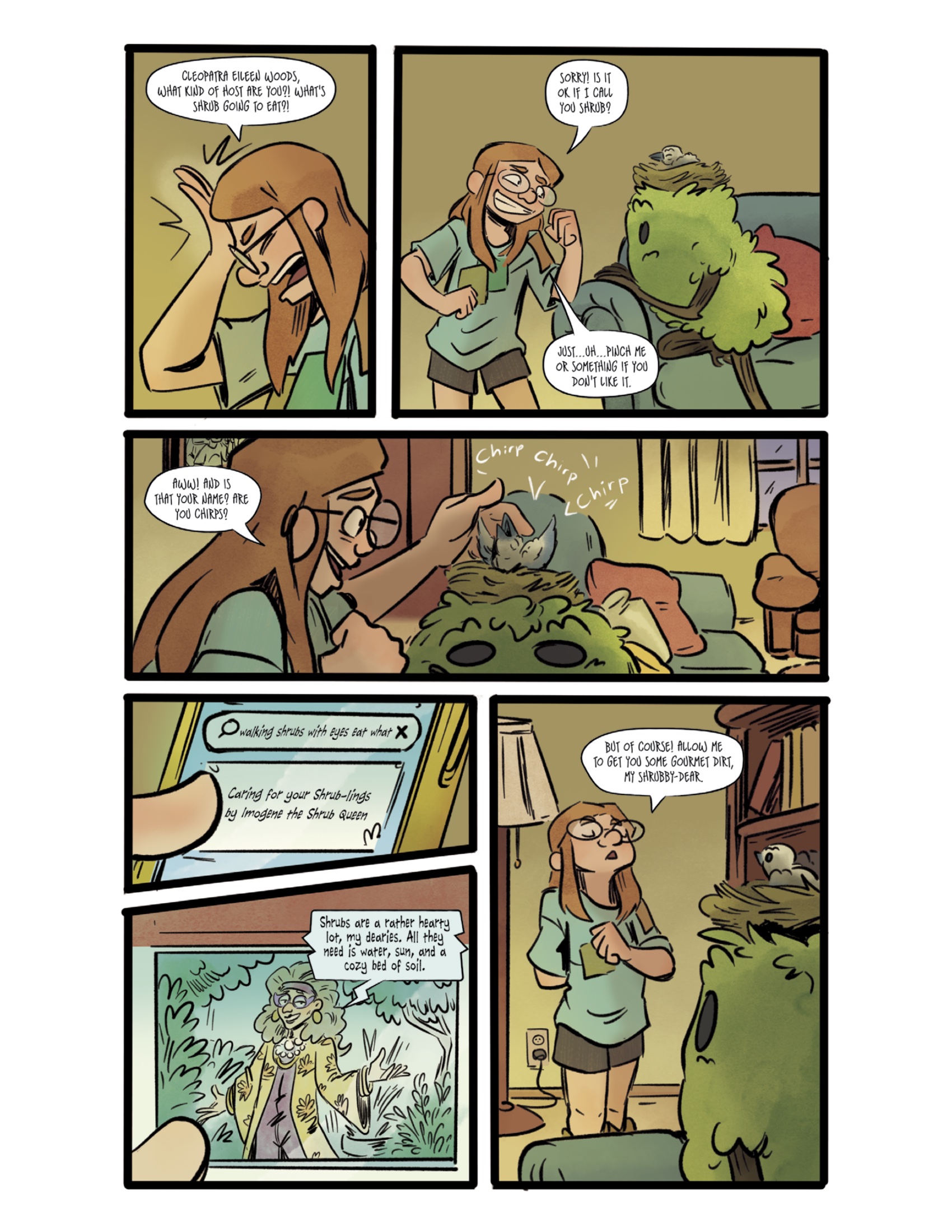
Andy Alves: Shrub is a leafy blob with stick limbs and eyes. Leaving the design to be that simple gave a lot of room for the poses and expressions of this vegetative friend to be as bombastic as possible. Shrub doesn't have a mouth to talk, so it was important to punch up the leaves around their eyes to give them the maximize range of emotion.
Shane, the series is billed as Graphic Medicine. Was that framing there from the start, or did it show up more as the story took shape?
Shane Portman: I was unfamiliar with Graphic Medicine until after I pitched Shrub to Fanbase Press. They instantly recognized that the conversation about grief could be expanded even further through the lens of Graphic Medicine. And it became such a pivotal asset to the project. Each issue features an essay written by someone with first-hand experience with grief, including my siblings, my mom, grief specialists, and even one of our colorists Celia FitzGerald. The testimonials tie into the theme of their issue, but they’re also personal to each contributor. We wanted to highlight that grief affects us all so differently. My siblings’ testimonials reflect the variation in ages and placement in our family (eldest, middle, youngest kids) and demonstrate that, even while we had so much in common in losing the same father, our experiences also differed. I’m grateful for everyone who shared so openly. It added such a depth and richness of feeling that reaches beyond the story.
How do you two divide the emotional weight of a scene? Does the script usually set the feeling first, or does the art sometimes lead, and the writing follows it?
Shane Portman: We started with the writing. My background is in theatre and sketch/improv comedy. From that training, I've also led with emotion. The emotion drives the character, and characters drive the scene. But honestly, there were many times where Andy would read the script and envision more impactful, emotive images or layouts of the page that let the feeling breathe better.
Andy Alves: The script absolutely comes first, but as an illustrator, I think it's my responsibility to portray the intent behind the words more than what it literally says. Shane has the story in his head and it's my job the put it to paper. Early in the process of creating a page, I'd let the team know if there were any changes I'd want to make to layouts or poses to better carry the scene and generally those changes were approved.
I'm curious if there was a page anywhere in the first six issues that turned out harder to make than you expected, emotionally or just technically?
Shane Portman: In a technical sense, I think the hardest page was in Issue 2. There's a section where the kids visit the site of a statue where their family had posed together back when Dad was healthy. But they find that the statue has been torn down and vandalized. Robby is really upset and can't understand why it happened. He feels it's an attack on his memories. So, Shrub roots down into the mycelium, takes hold of Robby's hand, and shows him (and us) the history that led to the statue being torn down. In these pages, the historical images are created out of the mycelium and there's a lot of text. It was a beast of a sequence to get right. Even in script form, I knew it was asking a lot. But, we all agreed that it was a necessary threshold for Robby to cross. So, everyone came together – Andy with the design, Sophie Du with the color, and Oceano Ransford with the lettering – and made it work. Even more so, I think Andy, Sophie, and Oceano made it into a powerful sequence.
Emotionally speaking, there were definitely some panels that hit me hard because they were closely tied to my childhood experience and Andy's depiction of it was so evocative. The one that comes to mind is in Issue 6 where Robby is flashing back to his 10th birthday, which was celebrated in the hospital after his dad's first heart attack. His dad had survived, but had permanent brain damage. Robby's family was singing 'Happy birthday' and his dad was happily joining in but couldn't remember all the words to the song. Robby calls it his "happiest and saddest birthday" he's ever had. It was a miracle his dad had survived, but life was never going to be the same. That was my 10th birthday and seeing it as an image definitely hit me square in the heart.
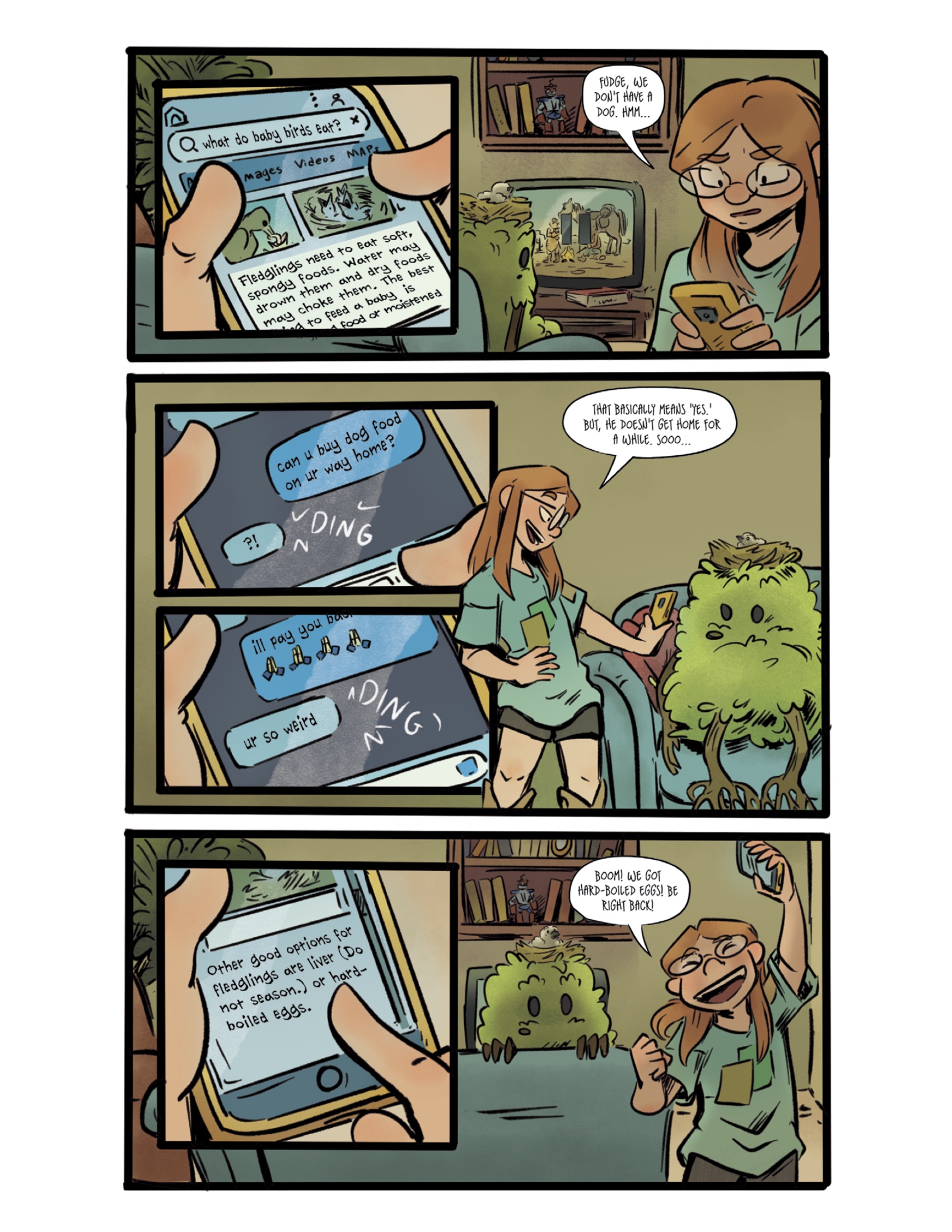
Andy Alves: Technically, Issue 2's gatefold spread Shane mentioned was absolutely tricky, but that was expected. What was less expected were the pages where Shrub is without the kids. There is this scene with Chirps in Issue 6. Shrub doesn't talk, so it was my job to make sure all of their actions were clear and understandable without dialogue and that was harder than I thought it'd be.
Emotionally, usually no. I love drawing the drama. Drawing complex emotional states is so much fun. I just want to tug those heart strings. That said, the last pages of the whole book, at the end of issue 8, got me tearing up. I'm not spoiling anything by saying this. It just hit me that I was saying goodbye to these characters that I loved so much after being with them for so long. Drawing those last few panels really tugged on my heart strings.
Finally, what do you both want young readers to walk away with?
Shane Portman: I’d like young readers to walk away with the understanding that even the hardest feelings are worth expressing, that being vulnerable isn’t a weakness – it’s the way we find connection, and that if you let grief take root, you can grow from it.
Andy Alves: Death is such a taboo subject. So often, there is this impulse to carry on and ignore it because it's so immense. Even acknowledging it is hard. As humans, we have to. You say young readers, but I think readers of all ages need help learning how to handle the emotional weight of something so large and final, to be able to experience it and still find light in life. This is what I got out of this story.
Learn more about SHRUB on its Kickstarter campaign page.